Who We Are

MEDICARE Certified
MEDICARE Certified
MEDICARE Certified
Medicare Certification is the “gold standard’ in the U.S. and serves as a benchmark against which all other forms of patient care are compared.
With Medicare Certification the highest level of quality and safety are assured for all patients of Continuum Care.
ACHC Certified
MEDICARE Certified
MEDICARE Certified
Accreditation Commission for Health Care (ACHC) is regarded as one of the key benchmarks for measuring the quality of a health care organization. Accreditation is a process of review that allows healthcare organizations to demonstrate their ability to meet superior regulatory requirements and standards.
OUR SERVICES
Hospice Care You Can Trust
Home Health Care You Can Trust
Hospice Care You Can Trust

Hospice is a special kind of caring. Hospice care involves a team-oriented approach to expert medical care, pain management and emotional and spiritual support, expressly tailored to the patient’s needs and wishes. Support is extended to the patient’s loved ones as well. At the center of hospice is the belief that each of us has the right to die pain-free and with dignity. Hospice is dedicated to making that possible.
DME Equipment & Supplies
Home Health Care You Can Trust
Hospice Care You Can Trust
Now Available: Home Health Care Equipment and Supplies. Contact Us for Hospital Beds, Wheelchairs, Walkers, Shower Chairs, Oxygen, Blood Pressure Machines, Bed Pads, Wound Care, Pill Planners, Gait Belts, Compression Stockings, Adult Protective Underwear, nutrition supplements and MUCH MORE!
Home Health Care You Can Trust
Home Health Care You Can Trust
Home Health Care You Can Trust
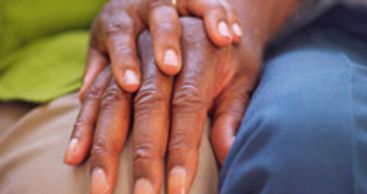
Continuum Care Home Health understands that each patient is unique and has different needs. We get to know you, your family and your individual needs and desires so we can deliver the personalized, high-quality care you need and deserve. We strive to provide comfort and guidance to you and your family members, whether you’re recovering from surgery or living with a terminal illness.
The Continuum Care Team

Skilled Nursing: Licensed RNs & LPNs
Whether you are recovering from major surgery, or require Hospice Care, Continuum Care Nurses make regularly scheduled visits to help address the medical concerns of the patient. The nurse will explain all aspects and progressions of care, and will teach family members how to do physical care. All medication orders come from the attending physician.
The Hospice Nurse is available by phone 24 hours a day, 7 days a week for emergency calls.
Medical Directors
Continuum Care is affiliated with two premier Virgin Islands Physicians serving as Medical Directors:
David Weisher, MD
John Charles Perez, MD
Certified Home Health Aides
Our experienced and highly trained caregivers provide the highest quality of care to both patients and their families. The home health aide is provided for your personal care. This includes assistance as needed for your bath, grooming, mouth care and linen changes. Our goal is to help individuals and their loved ones live happy and fulfilling lives.
Testimonials
Gwen Hall Brady
“ Continuum Care, Inc., a very professionally managed entity under the astute leadership of Tracy Sanders, offers not just services, but a service delivery. This is critical. Hospice care requires a planned service delivery system composed of a qualified administration and management component; qualified, reliable and sensitive home care personnel and of most importance, applicable and reasonably priced individualized services designed to meet not just the needs of the masses but the individual client's needs. Continuum Care makes all of the above and much more available to the residents of the U.S. Virgin Islands. "
Claire Roker
“ Thank you, Continuum Care Inc., for helping me with my family member, who is 94 years old. You have been so caring, committed and concerned in helping my family. Thank you for the times I personally had to call you for help –for myself as a caretaker. You were so willing to visit and sit down with us to help us understand what the elderly is going through. ”
Mr. T. Thomas
“ Thank you for the loving and compassionate care you gave my wife. By caring for her, you were also caring for me. I was lost and do not know what I would have done without you assisting us every step of her final days. I can never repay you except to continue to keep all of you in my prayers that you are able to continue to help others as you have helped me and my family. "